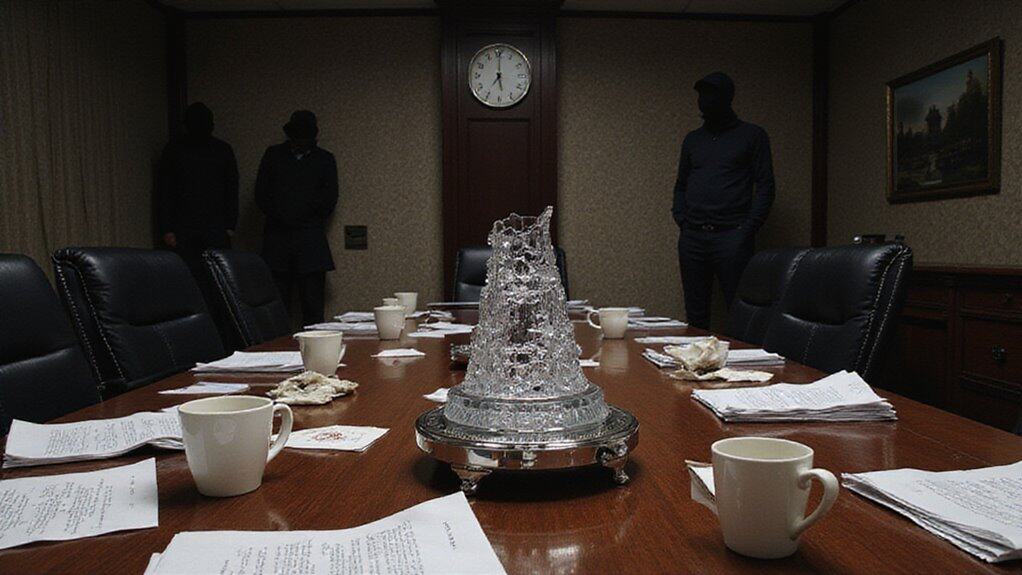
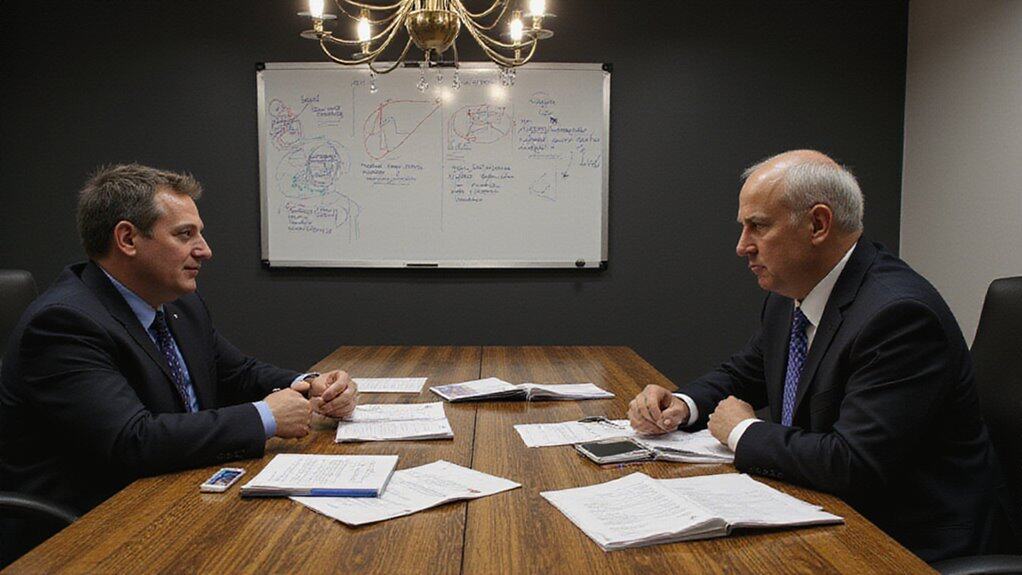
Marcus had built something most CPAs dream about. Fifteen years with the same client—a mid-sized cancer research firm—meant steady revenue, deep institutional knowledge, and relationships so comfortable they felt like family. He knew their accountant’s birthday. He’d watched their clinical trials progress from concept to publication. The work felt meaningful.
Then the email arrived.
It came from the board’s newly hired compliance officer. Three sentences. A question about undisclosed consulting relationships between their research director and a pharmaceutical company funding one of their trials. Marcus’s stomach dropped. He’d prepared their tax returns for years without ever asking about that relationship. He’d assumed the director would disclose such things. The client had always seemed ethical. The AICPA Code of Professional Conduct mandates that objectivity and integrity guide all CPA engagements, regardless of client tenure or relationship comfort. Like the cancer researchers in prominent journals who failed to disclose extensive industry ties, Marcus realized his own blind spots threatened the credibility of the entire engagement.
“I’ve got fifteen years here,” Marcus told his business partner over coffee, his voice hollow. “Fifteen years, and I never caught this. What else have I missed?”
The objection felt suffocating: long-term relationships breed blindness. The longer you work with someone, the easier it becomes to overlook the gaps. Trust and complacency become twins.
That’s when Marcus made a decision that saved not just the engagement, but his reputation.
He implemented something that forced him to stop assuming. A formal conflict-screening protocol—systematic, documented, repeatable—became his ritual. Not once yearly. Four times yearly. He created questionnaires particularly tailored to their research operations. He trained himself and his small team to ask uncomfortable questions about third-party relationships, financial ties, and potential conflicts he’d have previously glossed over.
“I realized I was operating on nostalgia instead of diligence,” Marcus explained. “Fifteen years of familiarity had made me lazy.”
The turning point came when the protocol flagged another undisclosed relationship—this one the client genuinely had forgotten to mention. Marcus surfaced it proactively, before external scrutiny could. The research firm was grateful. More importantly, he’d caught it.
When the compliance officer called again months later, her tone was different. Relieved. She told Marcus his firm had become the gold standard for their audits. Other CPAs, she said, didn’t ask. Marcus asked everything.
Today, Marcus still serves that cancer research client. The relationship is stronger now, built on something more durable than comfort: systematic integrity. He sleeps better. His clients trust him more.
The objection about long-term relationships creating blind spots? It’s real. But it’s not inevitable. It requires you to outgrow your own habits, to transform trust into rigor.
Your next engagement—whether it’s year one or year fifteen—deserves that same commitment. Stop assuming. Start documenting. Build the systems that prevent blindness before it happens.