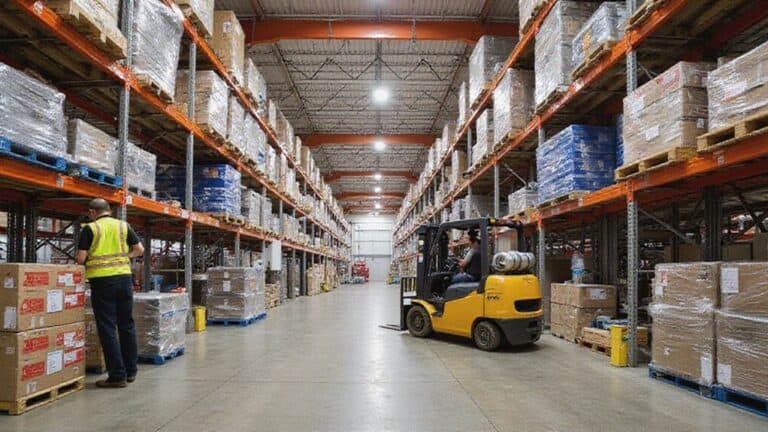
Separating material handling and subcontractor administration expenses into distinct indirect cost pools—rather than consolidating them into general overhead—recovers more costs, strengthens audit defense, and ensures FAR compliance. Separating these costs also reduces the administrative burden associated with managing complex indirect cost allocations. When materials exceed 25% of project costs, this strategy prevents overhead inflation, aligns spending with actual cost drivers, and protects you from questioned costs during DCAA reviews.
This guide covers why dedicated pools matter for your bottom line, how to allocate costs based on direct material or subcontract dollars, and how pool structure varies by contractor size and complexity to maintain competitive pricing and withstand regulatory scrutiny. Dedicated material handling pools can be compared to service center models, as both approaches help allocate indirect costs more accurately across multiple departments or functions. Pool structure varies to ensure costs are allocated to the appropriate cost objective.
Defining Material Handling Indirect Costs
What They Include
Material handling indirect costs represent the expenses you’ll incur whenever you’re procuring, receiving, storing, and delivering materials to your projects—and they’re distinct from the materials themselves. These costs encompass labor, equipment operation, warehouse space, utilities, and related administrative expenses. Understanding these costs allows companies to streamline specific processes and improve turnaround times, enhancing operational efficiency.
These material handling definitions encompass salaries for purchasing staff, receiving clerks, and inventory managers, in addition to freight and storage expenses.
Separating Costs from General Overhead
Your cost accumulation methods should segregate these material handling costs into a dedicated pool rather than burying them in overhead. Material handling costs are a subset of indirect expenses that should be tracked separately to ensure accurate allocation. Categorizing expenses into a material handling cost pool leads to a better determination of product and service costs, impacting overall profitability. Additionally, these pools help improve budgeting and financial planning by providing detailed cost information for each activity.
This separation guarantees you’re not inflating your general overhead rate and aligns with FAR compliance requirements.
Improving Accuracy and Competitiveness
Proper tracking enables accurate allocation to contracts that actually consume these services, improving both accuracy and competitiveness. Dedicated cost pools highlight excess resource consumption, aiding in the identification of inefficiencies and waste. They also provide granular details on cost drivers, allowing performance evaluation of specific departments or projects.
The selection of an appropriate allocation base for material handling costs—such as total material dollars or material weight—ensures that the indirect costs are distributed proportionally to the cost objectives based on the extent of the benefit or service provided.
When to Establish a Separate Material Handling Pool
You’ll want to establish a separate material handling pool when your direct material and subcontract costs represent a significant proportion of total project costs—typically 25% or more—because lumping these expenses into general overhead inflates your overhead rate and creates audit risk under FAR Part 31 compliance standards.
Material handling pools should only include costs applicable to the relevant contracts or cost objectives, ensuring that only those expenses directly related to specific efforts are allocated accordingly.
Your scale matters too: as your company grows and material handling activities become substantial enough to justify dedicated staff (purchasing managers, receiving coordinators, inventory specialists), segregating these costs into a specialized pool guarantees you’re recovering only legitimate material-related expenses and avoiding the appearance of improper markups on pass-through work.
This separation protects you during DCAA audits by demonstrating that you’ve applied homogeneous cost groupings with clearly traceable allocation bases, which auditors scrutinize heavily when material or subcontract administration costs are material to your business model.
Material handling costs typically encompass purchasing, receiving, inspection, inventory management, and quality control activities that should be tracked separately to ensure accurate cost allocation.
Understanding the mechanics of material handling pool allocation is essential, as the cost categories you select and how you measure their consumption directly determine whether your overhead recovery is compliant and defensible.
Scale and Material Proportion
When your contracting business reaches a scale where materials and subcontracts represent a substantial portion of your total project costs, you’ll find that lumping these expenses into a general overhead pool creates a misalignment between what you’re actually spending and what you’re recovering—and that’s where establishing a separate material handling pool becomes not just strategically sound but often necessary for compliance.
When Material Costs Demand Separate Tracking
Volume threshold: When material or subcontract costs exceed 25–30% of total project value, separate pooling becomes economically justified.
Overhead Rate Inflation and Competitive Pricing
Rate distortion: Blending material handling into overhead inflates your overhead rate artificially, possibly pricing you uncompetitively. Accurate material handling cost allocation supports more competitive bids by ensuring your pricing reflects true costs.
Regulatory Scrutiny and Allocation Precision
Audit exposure: DCAA scrutinizes improper cost groupings; specialized pools illustrate intentional compliance and allocation precision. Compliance with cost accounting standards is essential for passing regulatory review.
Compliance and Audit Risk
DCAA Scrutiny and Cost Allocation Documentation
Because DCAA auditors and FAR compliance reviewers scrutinize how you group and allocate indirect costs, establishing a separate material handling pool isn’t just a nice-to-have accounting practice—it’s your documented defense against audit findings and cost disallowances. Maintaining a well-organized general ledger is critical for supporting cost allocation and audit defense.
Audit Strategy and Separation Requirements
Your audit strategies should reflect this separation explicitly.
When you lump material-handling expenses into general overhead, you’re inviting questions about whether you’re inflating rates unfairly.
Defensible Cost Allocation and Compliance Rigor
A dedicated pool with a clear, defensible cost allocation approach illustrates compliance rigor. Clear documentation of responsibility for each cost ensures that allocations are justified and compliant.
You’ll reduce audit exposure, justify your rates credibly, and avoid costly disallowances.
Risk Management Over Theory
That’s not accounting theory—it’s practical risk management.
Components of Material Handling Cost Accumulation
When you’re building a material handling cost pool, you’ll want to capture the specific costs that directly support your procurement, receiving, storage, and delivery operations—think purchasing and procurement staff salaries, receiving clerk wages, freight on incoming materials, storage facility costs, and your inventory management systems. These costs are accumulated because they represent indirect costs that benefit multiple projects or cost objectives, highlighting the indirect costs benefit across your organization. Optimized material handling can lead to reduced product damage, lower labor costs, and enhanced inventory management. High costs in the material handling cost pool compared to output can indicate the need for process improvement initiatives.
These aren’t random expenses; they’re the backbone of getting materials to your projects efficiently, and pooling them separately guarantees you’re not artificially inflating your general overhead rate with costs that belong squarely on the materials themselves.
By identifying and accumulating these components carefully, you’ll create a defensible allocation approach that satisfies FAR compliance requirements while reflecting the true cost of your material handling operations. Understanding how indirect cost allocation methodologies interact with your material handling pool ensures that your pooling strategy aligns with DCAA audit standards and government policy expectations.
Once you’ve identified which costs belong in your material handling pool, the next critical step is determining the most appropriate allocation methodology to distribute these costs fairly and accurately across your projects and cost objectives.
Purchasing and Procurement Staff
Direct Labor Costs
The salaries, benefits, and direct costs of your purchasing and procurement staff represent one of the largest and most defensible components of a material handling cost pool.
You’ll allocate these expenses based on the staff’s direct involvement in material acquisition and management.
Salary and Compensation Components
- Buyer and procurement specialist salaries
- Benefits and payroll taxes for purchasing personnel
- Direct costs like training and professional certifications
Strategic Impact on Headcount
Your purchasing strategies and procurement processes drive these headcount requirements.
Receiving, Storage, Freight
Dock Operations & Receiving Costs
Beyond purchasing and procurement staff, receiving processes capture dock labor, inspection costs, and unloading expenses—all direct material logistics essential to your cost pool’s foundation.
Warehouse Management & Inventory Control
Storage solutions include warehouse rent, inventory management systems, and climate control tied to your supply chain, forming distinct material handling components requiring separate accumulation.
Inbound Transportation & Handling
Freight management covers incoming transportation and handling fees, completing the three operational workhorses that directly impact material handling cost credibility.
Allocation & Compliance Framework
These aren’t overhead; they’re distinct components requiring proper segregation to illustrate cost efficiency while ensuring contractor responsibilities align with FAR compliance and audit expectations. Material handling costs should be allocated based on the most appropriate cost driver, such as material dollars or weight, to ensure accurate and equitable distribution of costs.
Inventory Management Systems
Core Infrastructure for Material Handling Operations
Software platforms, warehouse control systems, and barcode tracking infrastructure form the operational backbone of your material handling cost pool—and they’re often where contractors stumble during compliance audits.
You’ll want to establish clear inventory tracking mechanisms that capture:
Labor, Software, and Training Allocations
- Labor costs tied to system administration and data management
- Software licensing, maintenance, and hardware depreciation expenses
- Training and documentation for inventory personnel
Direct Cost Recovery and Compliance Benefits
These costs directly support cost efficiency by reducing material waste, minimizing storage redundancies, and accelerating procurement cycles. Knowing the fully burdened cost of a product enables management to make informed decisions regarding pricing and profitability.
When you properly allocate inventory management expenses to your material handling pool rather than burying them in overhead, you’re ensuring FAR-compliant recovery and competitive pricing accuracy.
Subcontract Administration Pool Structure and Purpose
Compliance Through Cost Separation
When you’re managing government contracts with significant subcontract activity, separating subcontract administration costs into their own indirect cost pool isn’t just a best practice—it’s how you guarantee compliance while capturing legitimate expenses that’d otherwise get buried in overhead. This separation also ensures an equitable distribution of indirect costs across relevant contracts, reflecting the benefits received by each cost objective.
Core Oversight Functions
Your subcontractor roles demand dedicated oversight: staff salary for vendor selection, contract management, documentation review, and payment processing all belong here.
Defensible Allocation and FAR Compliance
By isolating these direct subcontract-related costs from general overhead, you’ll create a defensible allocation base tied to subcontract dollars.
This ensures FAR compliance and accurate cost recovery without triggering audit exposure. Establishing DCAA-compliant accounting systems with proper cost pool structures provides the technical infrastructure necessary to maintain this separation and demonstrate audit readiness.
Allocation Bases for Material Handling and Subcontractor Costs
You’ll want to carefully select your allocation base because it’s the foundation that ties your material handling and subcontractor costs directly to the work that drives them—and choosing the wrong one invites both compliance issues and cost recovery problems.
Your base must illustrate a logical, homogenous relationship between the costs you’re pooling and the projects you’re charging them to, which is why direct material dollars or total subcontract value typically work better than arbitrary measures. Reasonable, consistent basis requirements under FAR standards mandate that your allocation methodology reflects the relative benefits received across all segments or contracts being charged. The goal is to ensure each project or contract receives its fair share of indirect costs, so that costs are ultimately allocated to the final cost objective for accurate cost recovery.
Get this right, and you’re not only staying compliant with FAR and DCAA standards, but you’re also ensuring fair cost allocation that reflects how your business actually operates.
Once you’ve established the right allocation base, the next critical step is implementing it consistently across your accounting system to prevent tracking errors and audit exposure.
Selecting the Right Base
Why Your Allocation Base Matters
Because material handling and subcontractor costs aren’t created equal across your projects, selecting the right allocation base—the measure you’ll use to distribute these indirect costs—determines whether you’re charging fairly, staying compliant, and winning bids competitively. A material handling rate is essential for strategic costing and price development when there are significant variances in material requirements.
Using precise methods for allocation ensures that indirect costs are distributed accurately, which improves audit readiness and cost accuracy.
Building Audit-Ready Cost Strategies
Your allocation strategies must reflect actual cost relationships to pass audit scrutiny.
Consider these three approaches:
Direct Material Costs
Best when handling expenses scale with material volume.
Subcontract Dollars
Ideal when administration effort correlates with contract value.
Combined Base
Appropriate when material and subcontract work drive similar overhead activities.
Align Strategy to Operations
Match your base to your operations’ reality, not convenience.
Compliance and Allocation Logic
Compliance and Allocation Logic
Regulatory Requirements for Cost Pool Documentation
FAR and DCAA regulations don’t just require you to create material handling and subcontractor cost pools—they mandate that your allocation bases illustrate a genuine, logical relationship to the costs you’re distributing. Organizations subject to CAS coverage must also follow additional requirements for documenting cost pool allocation to ensure compliance with Cost Accounting Standards. You’ll face compliance challenges if you arbitrarily assign costs without documenting that connection.
Audit-Ready Allocation Strategies
Your allocation methods must withstand audit scrutiny by proving each pool’s costs flow proportionally to its base.
Documentation as Your Primary Defense
Weak bases invite audit findings. Strong documentation prevails.
FAR Guidance on Material and Subcontract Markups
Pass-Through Cost Restrictions Under FAR 52.215-23
FAR 52.215-23 generally prohibits additional administrative markups on subcontractors except in defined circumstances.
Indirect Cost Recovery Through Dedicated Pools
You’ll recover subcontractor management costs through dedicated indirect pools, not arbitrary markups.
Allocation Transparency and Compliant Cost Documentation
Your cost recovery depends on well-defined allocation bases tied directly to the work performed. Charges must satisfy the three-criteria test of reasonableness, allocability, and compliance with FAR standards to avoid penalties for expressly unallowable costs.
Direct Materials Versus Indirect Material Costs
What Distinguishes Direct from Indirect Materials
Understanding the distinction between direct materials and indirect material costs is fundamental to structuring compliant cost pools and capturing legitimate reimbursement under government contracts.
Direct materials are materials you can trace particularly to a single project or contract—they’re charged directly to that contract without allocation.
Indirect materials, by contrast, benefit multiple contracts and flow through your material handling cost pool.
Real-World Examples of Cost Categorization
For example, consider the illustration of direct versus indirect materials: specialized components for Project A are direct; consumable supplies supporting your entire warehouse operation are indirect. Unallowable costs—such as entertainment expenses or penalties—must never be included in your material handling pool regardless of whether they might benefit multiple contracts, as FAR 31.205 expressly prohibits certain categories of costs from any allocation to government work.
Compliance and Audit Readiness
Properly categorizing these costs prevents over-charging and guarantees your allocation methodologies withstand FAR scrutiny.
Rate Structure Comparison: With and Without Specialized Pools
Three Decision Factors for Pool Strategy
There are key considerations when deciding on pool strategy.
Once you’ve properly categorized your direct and indirect materials, you’ll face a practical decision: whether to establish specialized material handling and subcontractor pools or consolidate these costs into your general overhead rate. Organizations may need to revise their indirect cost allocation method when significant business changes occur to ensure alignment with operational realities and compliance requirements.
Your cost pool analysis and allocation strategies depend on three factors:
- Scale of material work—High material volume justifies separate pools
- Audit exposure—Specialized pools illustrate FAR compliance and defensibility
- Competitive positioning—Accurate allocation prevents overpricing or underrecovery
Budgets should include indirect costs to prevent a gap in the budgeting process for government contracts, ensuring comprehensive financial planning.
Cost Recovery Precision vs. Consolidated Overhead
Specialized pools recover costs precisely where they’re incurred, preventing overhead inflation. Understanding cost allocation principles ensures that your pool structure aligns with government contracting requirements and supports defensible billing practices. Businesses benefit from precise cost recovery by improving financial planning and compliance.
Without them, you’ll absorb material-handling expenses into general overhead, possibly burdening labor-intensive contracts unfairly and weakening your competitive edge on material-heavy projects.
Compliance Risks of Improper Cost Pool Segregation
Improper segregation of cost pools can lead to significant compliance risks, including increased audit scrutiny and potential disallowance of costs. In addition to audit risk, cost pool segregation becomes even more critical in complex organizations with diverse cost drivers, as the intricacy of operations can make accurate allocation more challenging.
Direct Impact on Government Contract Allocation
Because your indirect cost pools directly determine how you allocate expenses across government contracts, failing to segregate material handling and subcontractor costs properly creates measurable audit risk and contractual exposure.
Why Lumping Costs Into General Overhead Triggers Scrutiny
When you combine these specialized costs into general overhead, you’re inviting DCAA scrutiny and FAR compliance violations. These allocation decisions must satisfy the fundamental concepts of reasonableness, allocability, and consistency established under FAR Part 31 to withstand regulatory examination.
Improper allocation techniques inflate your overhead rate unfairly, distorting cost recovery across contracts.
Strengthening Your Position Against Regulatory Challenges
Your allocation approach must withstand regulatory challenges. Transparency in communicating rate structure changes to customers is critical for maintaining trust and ensuring that stakeholders understand the rationale behind cost adjustments.
Strategic planning demands separating these cost pools to strengthen audit preparedness and financial transparency.
Consequences of Weak Cost Pool Management
Poor cost pool segregation undermines indirect cost management credibility and exposes you to questioned costs, disallowances, and reputational damage during government audits.
Determining Pool Granularity Based on Contractor Size and Complexity
Tailoring Pool Structure to Your Operation
The right number of indirect cost pools isn’t a one-size-fits-all answer—it depends on your contractor size, operational complexity, and the materiality of specialized costs like material handling and subcontract administration. Common indirect cost pools include Fringe, Overhead, and General and Administrative (G&A) expenses.
Your cost pool strategies should reflect contractor scalability and the structure of your organization:
Small Firms: Streamlined Consolidation
Small firms typically consolidate fringe, overhead, and G&A into 2–3 pools for administrative efficiency.
Mid-Size Contractors: Strategic Separation
Mid-size contractors separate material handling or subcontract administration when these costs represent 5%+ of total expenses. Strategic pool separation decisions must be justified, documented, and consistently applied per CAS requirements to maintain compliance while optimizing competitive positioning. Separating pools is especially important when multiple departments within the organization benefit from shared services, ensuring that indirect rate structures fairly allocate costs across all relevant business units.
Large Enterprises: Specialized Allocation
Large enterprises deploy specialized pools for each significant cost driver, ensuring precise allocation and regulatory compliance. Organizations with multiple business units, product lines, or functional groups may require more granular indirect rate structures to ensure accurate cost allocation and compliance across the entire organization.
Balancing Accuracy and Audit Risk
Rightsizing your pool structure prevents audit exposure while optimizing cost recovery accuracy.
Frequently Asked Questions
How Do Material Handling and Subcontract Pools Interact With Fringe Benefits and Overhead Allocation?
1. How do you prevent double-charging when allocating material handling costs?
Material handling costs must be segregated into a separate pool from fringe benefits and overhead allocations.
By maintaining distinct cost categories—fringe tied to labor, overhead to operations, and material handling to material purchases—you eliminate duplicate charges and ensure accurate cost recovery without billing the same expense twice.
2. What’s the difference between material handling pools and subcontract administration pools?
Material handling pools capture costs associated with material movement, storage, and procurement, and burden material purchases.
Subcontract administration pools target expenses specific to managing subcontractor relationships and performance. Each operates independently to accurately assign specialized costs to their respective cost drivers.
3. Can fringe benefits be included in material handling overhead rates?
No. Fringe benefits should be allocated separately, typically tied directly to labor costs.
Material handling operates as its own cost pool to ensure fringe benefit rates remain distinct and labor-related, preventing commingling of different cost allocation bases.
4. Why should subcontract costs be kept separate from indirect overhead?
Subcontract administration has unique cost drivers and billing requirements separate from general operational overhead.
Segregating subcontract pools ensures subcontractor-specific expenses are accurately traced and billed only to relevant contracts, improving cost accuracy and audit defensibility.
5. How do material handling rates connect to actual material purchase costs?
Material handling pools burden actual material purchases through a calculated rate (typically a percentage).
This direct linkage ensures material-related indirect costs are proportionally recovered based on the actual volume and value of materials purchased on each project.
6. What’s the correct method for allocating operational overhead when material pools exist?
Operational overhead should be allocated separately using its own cost base (typically labor hours or direct costs), while material handling uses material purchases as its allocation base.
This dual-base approach ensures each overhead category recovers costs through its most appropriate driver.
Can a Contractor Change Its Pool Structure Mid-Fiscal Year Without Audit Consequences?
Q1: What’re the DCAA compliance risks of changing cost pools mid-fiscal year?
A: Mid-year pool restructuring triggers enhanced DCAA audits and retroactive cost allocation reviews. Auditors question whether the changes unfairly benefited specific contracts and may demand cost recalculations for the entire fiscal period, potentially resulting in questioned costs and compliance violations.
Q2: How does FAR regulate contractor pool structure modifications during the fiscal year?
A: FAR requires advance notification to the contracting officer before implementing any pool restructuring. The regulation emphasizes consistency in cost accounting methods and prohibits arbitrary mid-year changes without documented justification and prior approval from the government.
Q3: When is the best time to restructure cost pools without audit complications?
A: Restructure pools during new fiscal year implementation or year-end closeout periods. This timing allows proper documentation, advance contracting officer notification, and avoids the retroactive scrutiny that mid-year changes invite.
Q4: What documentation is required before notifying the contracting officer of pool changes?
A: Prepare a comprehensive cost accounting change proposal detailing the restructuring rationale, impact analysis, effective date, and how costs will be reallocated.
Include supporting workpapers demonstrating the change’s fairness and compliance with established accounting principles.
Q5: Can mid-year pool restructuring trigger a full cost accounting system audit?
A: Yes. Auditors use mid-year pool changes as entry points to examine your entire cost accounting system, questioning allocation methodologies, overhead rates, and indirect cost distributions across multiple fiscal periods.
Q6: What happens to previously billed costs if pool restructuring occurs mid-year?
A: Previously billed costs remain questioned and subject to retroactive adjustment. Auditors will recalculate allocations under both old and new pool structures to determine if any contracts were overcharged or undercharged.
Q7: How should contractors communicate pool restructuring plans to avoid audit escalation?
A: Submit formal written notification to the contracting officer 30+ days before implementation, detailing business justification, accounting method changes, and cost impact projections.
Request approval and maintain evidence of communication and approval throughout the fiscal year.
What Documentation Supports Material Handling Costs During a DCAA Audit Examination?
1. What timekeeping records do DCAA auditors require for material handling costs?
DCAA auditors require timekeeping records that directly trace material handling staff to specific procurement activities.
These records must clearly document hours worked, labor rates, and the direct connection between employee time and material handling functions to substantiate labor costs during audit examination.
2. How should material handling costs be segregated from overhead in DCAA compliance?
Material handling costs must be segregated through labor allocation worksheets and cost accounting records that separately identify these expenses from general overhead.
Transaction logs should document each allocation decision, demonstrating that costs are tracked as direct expenses rather than buried in undifferentiated overhead pools.
3. What purchase orders and receiving documents support material handling cost audits?
Purchase orders must clearly identify material handling services or equipment, while receiving documents should timestamp and verify actual receipt of materials and services.
Both documents create an audit trail connecting procurement activities to material handling costs and provide evidence of genuine transactions versus arbitrary allocations.
4. Why do DCAA auditors question material handling cost documentation?
DCAA auditors scrutinize material handling documentation to ensure costs reflect actual incurred expenses, not arbitrary allocations.
Auditors verify that allocation methodologies are reasonable and consistently applied, preventing contractors from shifting unsupported overhead costs into the material handling category.
5. What role do invoices play in material handling cost substantiation for DCAA audits?
Invoices serve as primary support documents linking material handling expenditures to vendors and service providers.
Invoices must correspond with purchase orders and receiving documents, creating a complete three-way match that substantiates material handling costs as legitimate, documented expenses rather than estimates.
6. How detailed should allocation narratives be for DCAA material handling cost documentation?
Allocation narratives should thoroughly explain your methodology for segregating and assigning material handling costs, including the rationale behind selected cost drivers, calculation methods, and consistency across reporting periods.
Detailed narratives help DCAA auditors understand and validate your allocation approach during examination procedures.
How Should Pass-Through Costs Be Treated When Calculating Total Cost Input for G&A?
1. What pass-through costs should be included in the G&A allocation base?
Pass-through costs include all direct expenses that flow through to government contracts, such as subcontractor fees, materials, and equipment charges.
These costs form the foundation of your total cost input base and must be included to ensure DCAA compliance and accurate overhead distribution across all work.
2. How do pass-through expenses affect G&A rate calculations?
Pass-through expenses directly increase your total cost input base, which inversely impacts your G&A rate percentage.
Higher pass-through costs result in a lower G&A burden rate, as fixed overhead is distributed across a larger cost foundation, providing more accurate cost allocation.
3. Why do DCAA auditors require pass-through costs in G&A calculations?
DCAA auditors mandate pass-through cost inclusion to capture the full economic picture of your operations.
This requirement ensures indirect costs are distributed fairly across all contracts and prevents compliance risks by demonstrating transparent, defensible cost allocation methods.
4. Can you exclude certain pass-through costs from the G&A allocation base?
No. All pass-through costs must be included in the G&A allocation base to maintain DCAA compliance and cost allocation integrity.
Excluding any pass-through costs creates gaps in your cost foundation and risks audit findings.
5. What’s the difference between pass-through costs and direct G&A expenses?
Pass-through costs are direct expenses flowing through to specific contracts, while direct G&A expenses are indirect costs benefiting all work.
Pass-through costs anchor your allocation base; G&A expenses are distributed over that base using the calculated rate.
6. How do pass-through costs improve government cost-sharing accuracy?
Including pass-through costs in your allocation base reflects actual spending patterns and ensures overhead burden is proportionally distributed.
This transparency demonstrates fair cost allocation between government and commercial work, reducing cost-sharing disputes and audit exposure.
7. What documentation must support pass-through costs in G&A allocations?
Maintain detailed records showing cost classification, contract assignment, and inclusion in the allocation base.
Supporting documentation should trace pass-through costs from source documents through final G&A calculations to demonstrate DCAA-compliant cost accounting.
Are Material Handling Rates Negotiable With Government Contracting Officers Annually?
1. Can you renegotiate material handling rates with government contracting officers every year?
Yes, annual renegotiation of material handling rates is possible with government contracting officers. However, success depends on presenting documented cost data, year-over-year trends, and legitimate justifications for rate increases. Officers will evaluate whether your allocation methodology complies with FAR standards before approving adjustments.
2. What documentation do you need to support material handling rate negotiations with the government?
You must document all components of your material handling pool, including purchasing staff costs, receiving expenses, storage operations, and freight charges. Present historical year-over-year cost trends and maintain detailed records demonstrating how your allocation base is calculated and why rate adjustments are necessary.
3. Are material handling rates automatically approved during annual contract reviews?
No, material handling rates aren’t automatically approved. Contracting officers conduct independent assessments to verify that your allocation base, cost methodology, and proposed rates align with Federal Acquisition Regulation (FAR) standards. Approval depends on the defensibility of your cost data.
4. What makes a material handling rate defensible under FAR standards?
A defensible material handling rate must be based on actual, documented costs, include all legitimate pool components (staff, receiving, storage, freight), use a reasonable allocation methodology, and reflect only justifiable year-over-year increases. Rates must be proportional to services provided and supported by clear cost accounting records.
5. How do you calculate a reasonable material handling rate allocation base for government contracts?
Your allocation base should include all direct material handling costs divided by an appropriate cost driver—typically direct labor hours, material costs, or machine hours. The base must consistently capture purchasing, receiving, storage, and freight expenses while remaining proportional to actual service consumption across contract activities.
6. What happens if your proposed material handling rate is deemed unreasonable by a contracting officer?
If rejected, the contracting officer will identify specific concerns regarding your cost data, allocation methodology, or FAR compliance. You’ll need to revise your rate proposal, provide additional documentation, or adjust your cost pool components to address regulatory concerns before resubmission.
7. Can material handling rate increases be denied if costs legitimately rise annually?
Yes, even with documented cost increases, rate adjustments can be denied if the contracting officer determines your allocation methodology is flawed, your cost data is insufficient, or your proposed rates exceed what FAR guidelines permit. Legitimate cost increases alone don’t guarantee approval without proper justification.
8. Which material handling cost components should be included in government contract rate pools?
Standard material handling cost pool components include purchasing department salaries, receiving labor and equipment, warehouse storage operations, material handling equipment maintenance, freight and shipping expenses, and inventory management overhead. Each component must be traceable to actual material handling activities performed under the contract.